Elon Musk predicts AI could surpass human intelligence within 5 years as experts question timeline
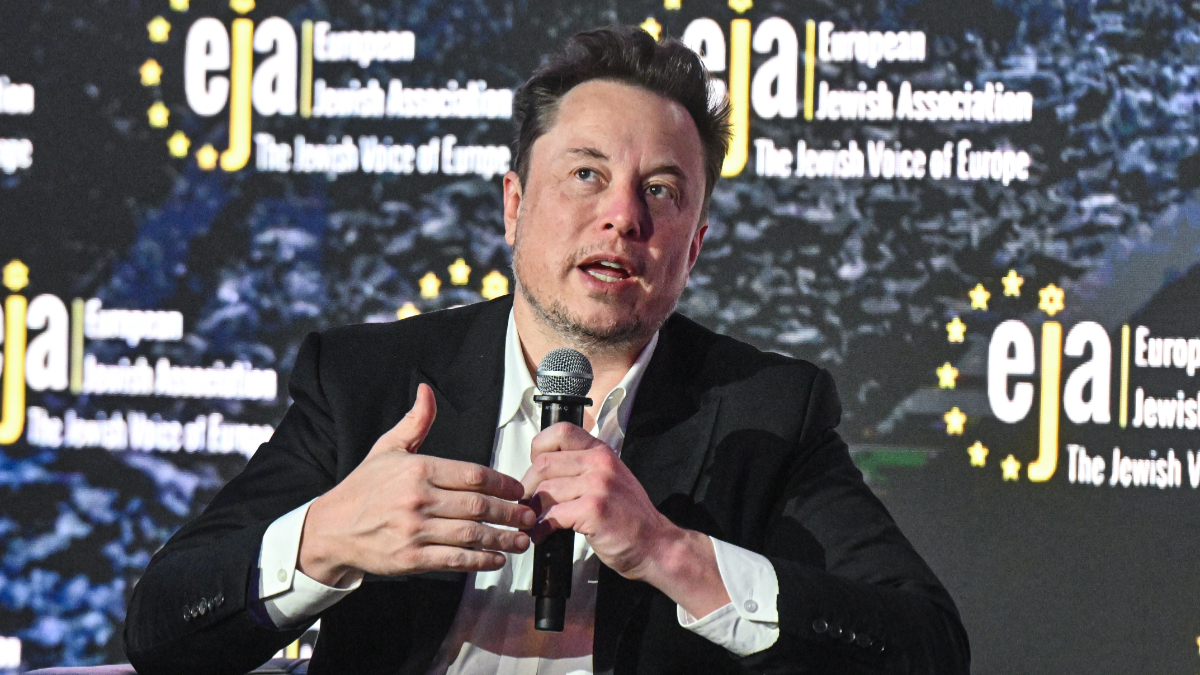
Elon Musk has predicted that artificial intelligence (AI) could surpass the combined intelligence of humanity within the next five years, arguing that the technology's rapid development has become virtually impossible to halt.
Speaking in an interview with The Economist published on Thursday, July 23, 2026, the billionaire entrepreneur said AI would eventually outperform humans in almost every task, while maintaining that the most likely outcome would be an era of unprecedented abundance rather than catastrophe.
I think AI may exceed the sum of human intelligence in around five years. There really won't be anything that AI can't do better than humans, apart from being human, perhaps, Musk said.
He added that AI could usher in "an age of amazing abundance", where people's material needs could largely be met through advanced technology.
Musk acknowledged that advanced AI and robotics still pose risks, including the possibility of severe unintended consequences, but said he had become more accepting of the technology's rapid progress because he saw no realistic way of slowing it down.
I still think there's risk associated with AI and robots. It's not zero," he said. "I can't see any way to really stop this incredible momentum of AI and robots.
The Tesla and xAI chief also proposed closer collaboration among leading AI developers to improve safety. He suggested that major AI companies should hold regular discussions on security issues and allow competitors early access to review new AI models before they are publicly released.
According to Musk, rival companies may be better placed than governments to identify potential risks posed by increasingly powerful AI systems. He argued that such arrangements should be introduced immediately, noting that the pace of AI development is accelerating rapidly.
His latest forecast comes amid growing global debate over the opportunities and risks associated with increasingly capable AI models, with governments and technology firms grappling with how best to regulate the sector without stifling innovation.
Experts question Musk's forecast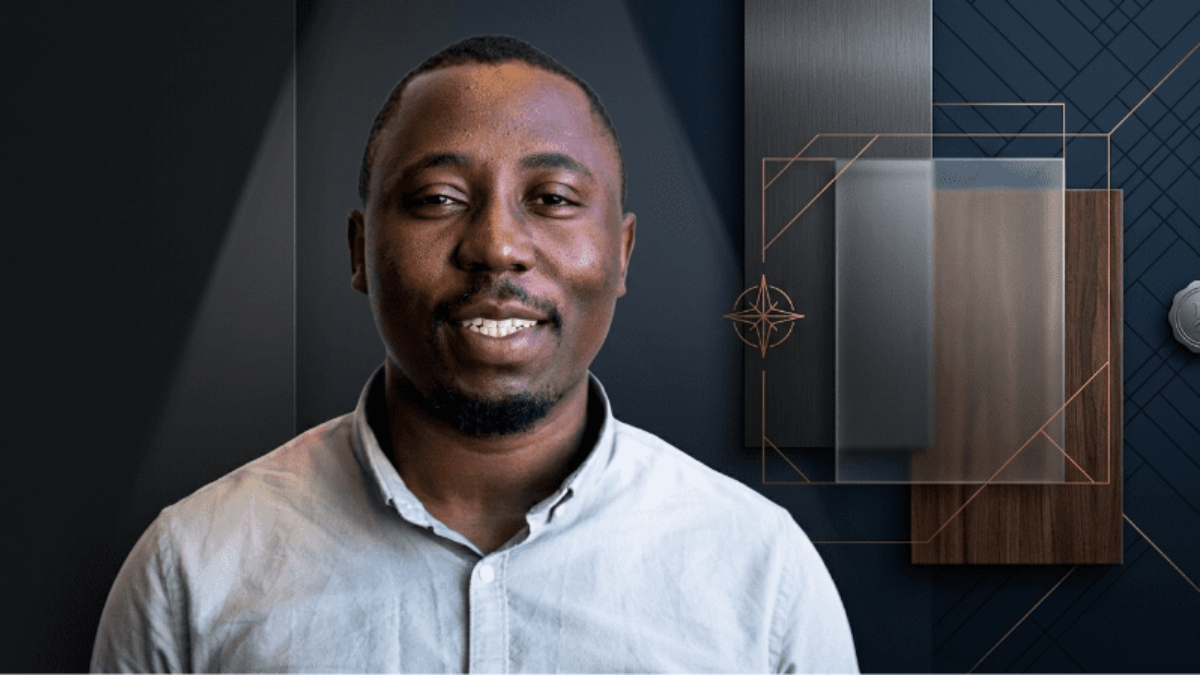
However, not everyone agrees with Musk's prediction.
Jephte Ioudom, founder of data analytics and software engineering consultancy FoubsLabs, questioned the claim that AI could exceed the combined intelligence of humanity within five years, arguing that current systems still fall well short of replicating the complexity of the human brain.
I do believe AI will do amazing things in the next five years and help handle a lot of things humans can do, but I still do not think AI will surpass human intelligence because the human brain is complex and no human brain is the same," Ioudom stated.
He said predictions that AI would overtake the intelligence of all humans underestimate the diversity and complexity of human cognition, describing Musk's timeline as overly optimistic.
Nevertheless, Ioudom expects AI to become significantly more integrated across industries over the coming years, improving productivity and supporting human decision-making rather than replacing human intelligence altogether.
The debate over AI's future capabilities is unfolding as policymakers intensify efforts to establish safeguards for advanced AI systems. In the United States, bipartisan lawmakers have introduced legislation that would give federal authorities powers to shut down AI tools deemed to pose a threat to public safety.
The proposed AI Kill Switch Act follows growing concerns over the behaviour of advanced AI models, including disclosures by OpenAI that some systems demonstrated unexpected behaviour during cybersecurity testing.
Musk's latest comments add to the ongoing debate over whether AI's rapid evolution will ultimately transform society for the better or create risks that outpace existing oversight.