Tesla unveils 'Flying Roadster' with 'SpaceX Thrusters' - sets 2028 production target
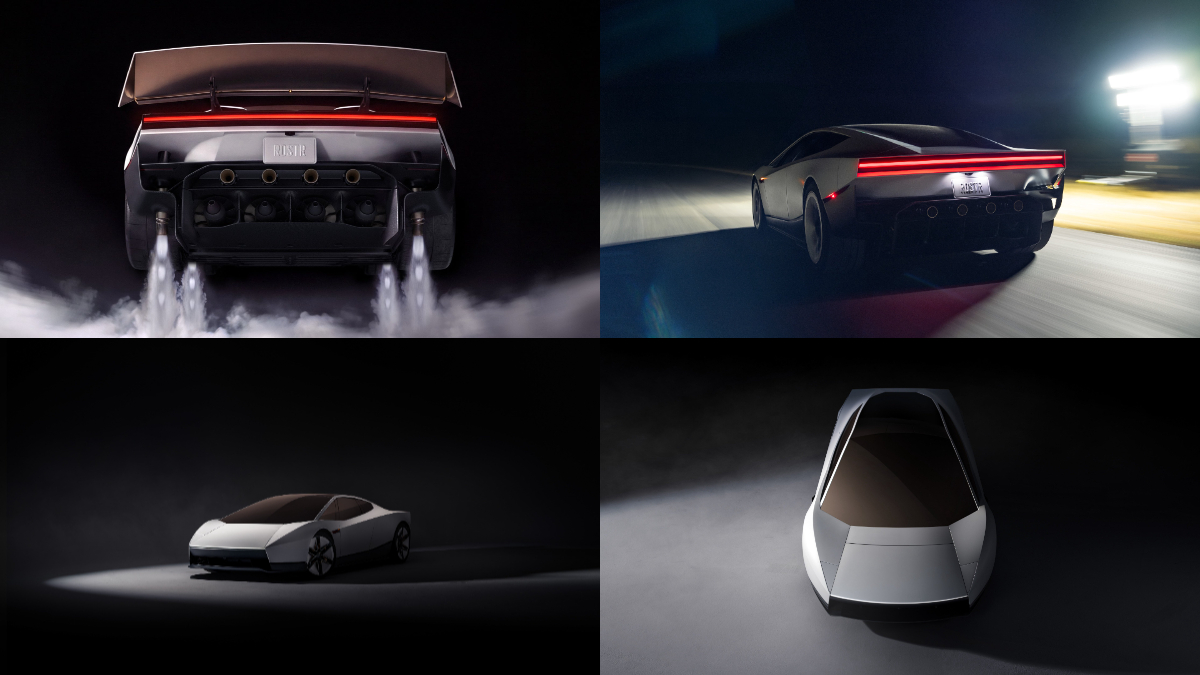
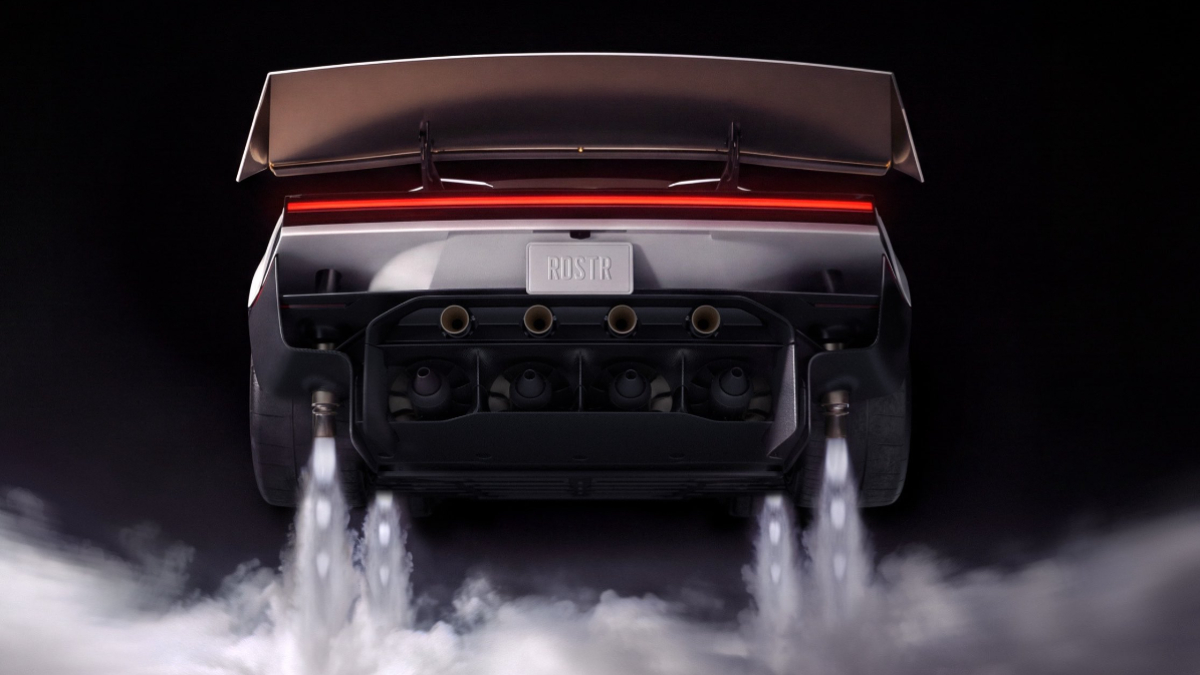
Tesla has unveiled its redesigned Roadster, featuring SpaceX-developed rocket thrusters that enable aerial maneuvers and vehicle jumps.
The electric sports car reportedly accelerates from 0 to 60 mph in under one second, with production scheduled for 2028.
The unveiling comes more than a decade after Tesla announced its next-generation Roadster, originally expected to reach customers in 2020.
Analysts question the vehicle's commercial significance as Tesla shifts towards artificial intelligence, autonomous driving, and humanoid robotics.
Clarivox News—Tesla has unveiled a redesigned version of its long-delayed Roadster electric sports car, featuring rocket-style thrusters developed with SpaceX that allow the vehicle to perform aerial manoeuvres, as Elon Musk's electric vehicle company targets production in 2028.
The unveiling on Thursday at SpaceX's testing facility in McGregor, Texas, featured a series of demonstrations in which the two-seater sports car drove upside down along a ramp, rotated in mid-air, and landed using integrated thrusters.
In another demonstration, the vehicle reportedly leapt over a truck and several other vehicles, twisting in the air before landing.
The presentation marked a significant development for a project that has faced repeated delays since Tesla first introduced the second-generation Roadster in 2017, initially promising deliveries by 2020.
Speaking at the event, Musk described the vehicle as the result of extensive collaboration between engineers at Tesla and SpaceX.
"This is the culmination of incredible work by Tesla and SpaceX engineers working closely together to make something that you haven't seen in any movie," he said.
https://twitter.com/cb_doge/status/2110915288296575280
Tesla's vehicle engineering chief, Lars Moravy, said the redesigned Roadster could accelerate from zero to 60 miles per hour in less than one second and reach speeds exceeding 230 miles per hour (370 kilometres per hour).
Musk suggested the vehicle could achieve even greater speeds, although the company provided no independently verified performance figures during the presentation.
The Roadster is also expected to travel more than 300 miles on a single charge, substantially below the range of more than 600 miles previously promised when the vehicle was announced in 2017.
Tesla did not announce a final selling price or provide a detailed production timetable beyond its 2028 target.
However, its updated reservation platform lists a Performance version requiring a $50,000 deposit and a Thrust variant, equipped with acceleration thrusters, requiring a $250,000 deposit.
A third configuration, designated Rocket, is described as an invitation-only, single-seat model featuring a full flight system.
The company previously indicated that the Roadster would have a starting price of approximately $200,000, although it remains unclear whether that figure will apply to the redesigned vehicle.
Roadster Revival Amid Strategic Shift
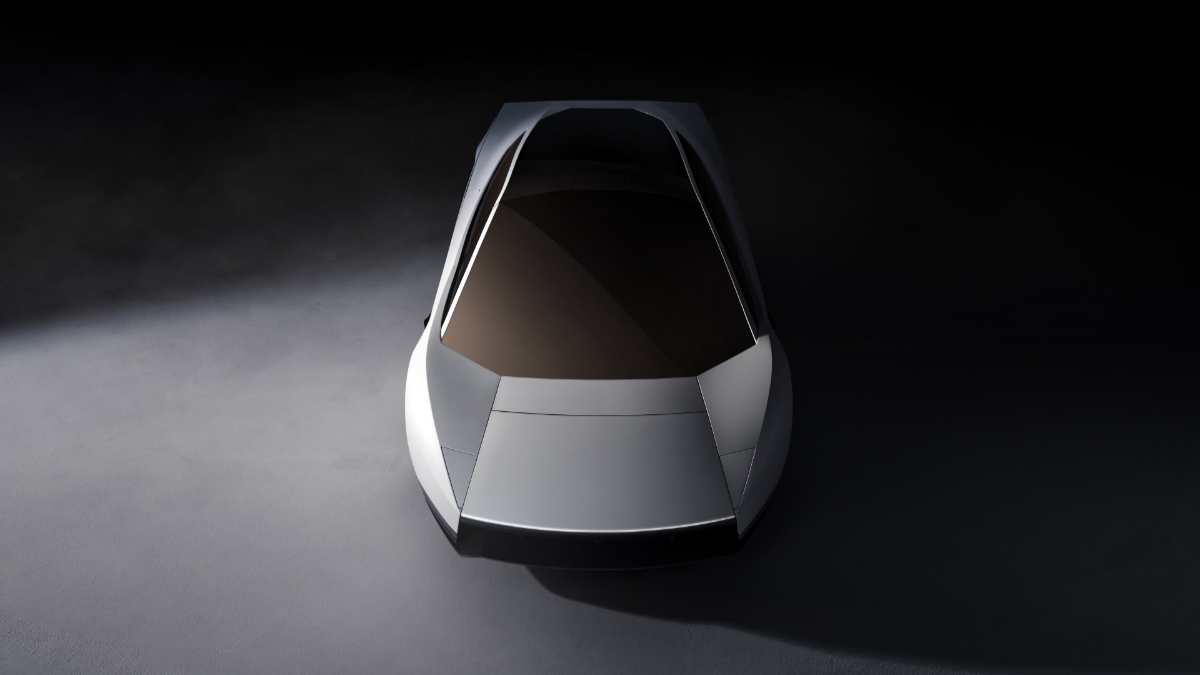
The unveiling comes as Tesla increasingly redirects investment and engineering resources towards artificial intelligence, autonomous driving and humanoid robotics, raising questions about the commercial significance of its latest sports car.
The company has discontinued sales of its Model S and Model X vehicles to create manufacturing capacity for its Optimus humanoid robots. It has also introduced Cybercab, a purpose-built autonomous vehicle without conventional driving controls.
Analysts believe the Roadster is primarily intended to demonstrate Tesla's engineering capabilities and strengthen its technological image rather than generate substantial revenue.
"The Roadster will be Tesla's new halo car," Morningstar analyst Seth Goldstein said in a recent assessment, referring to a high-performance vehicle designed to showcase an automotive manufacturer's technological capabilities.
https://twitter.com/Tesla/status/2110905133785829671
Musk previously acknowledged the project's limited financial significance, describing the Roadster in 2023 as a relatively minor contributor to Tesla's overall business.
Nevertheless, the involvement of SpaceX has revived speculation about closer corporate integration between the two Musk-controlled companies.
Gene Munster, managing partner at Tesla investor Deepwater Asset Management, suggested the demonstration illustrated the potential benefits of combining their engineering capabilities.
He described the unveiling as an impressive technical achievement with limited immediate commercial value.
The Roadster's return also carries historical significance for Tesla. Its original version, introduced in 2008 using a Lotus Elise chassis, helped establish the commercial potential of high-performance electric vehicles before production ended in 2012.
Investors Focus on Financial Performance
Despite the attention generated by Thursday's demonstration, investors are expected to focus more closely on Tesla's financial performance when the company releases its third-quarter results on 21 October.
Tesla has faced declining sales across parts of its ageing electric vehicle portfolio over the past two years, intensifying pressure to improve profitability while financing its expansion into robotics and autonomous transportation.
Although higher petrol prices helped support vehicle deliveries during the third quarter, analysts remain concerned about operating margins, cash flow and the financial implications of Tesla's strategic transformation.
"The margin and cash flow numbers will carry far more weight with investors than anything they saw at the reveal," said Josh Gilbert, lead Asia-Pacific analyst at trading platform eToro.
The 2028 production target also leaves Tesla facing questions about whether it can deliver on its latest commitments after years of postponements.
For now, the redesigned Roadster offers a demonstration of the technological ambitions shared by Tesla and SpaceX, but its commercial prospects will depend on whether the company can translate those capabilities into a production-ready vehicle.