How UK recruitment boom for Nigerian health workers, others turned into dramatic visa declines - new data reveals
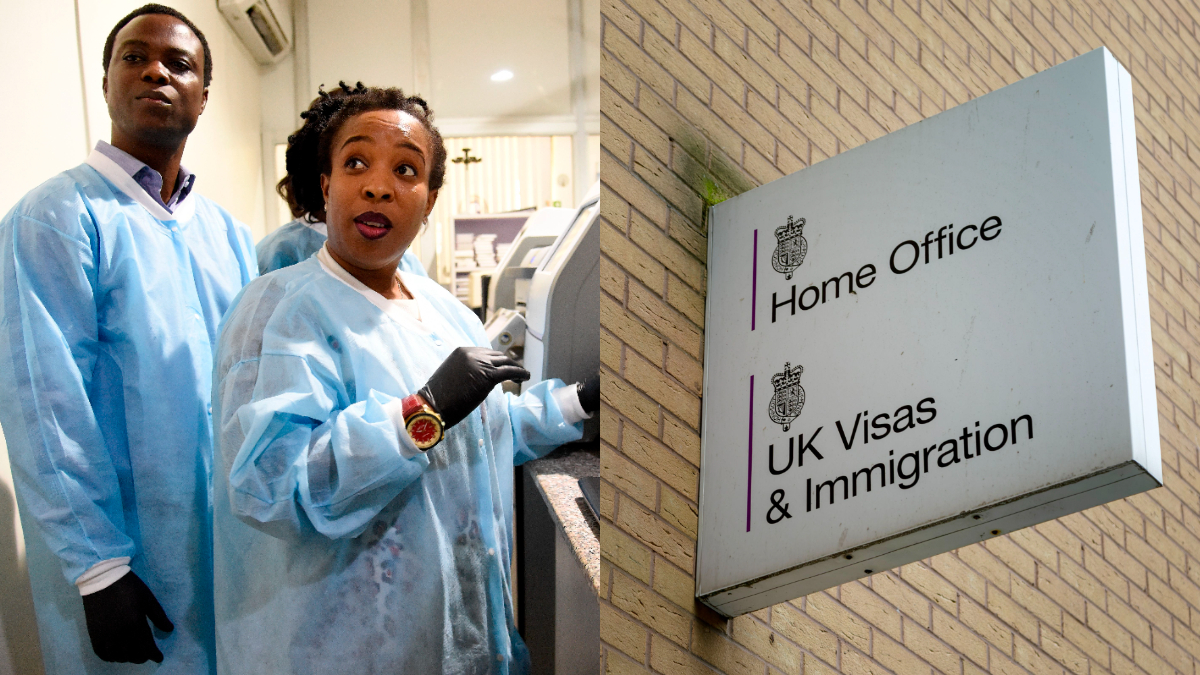
Between 2021 and the first quarter of 2026, the United Kingdom granted 49,498 work visas to Nigerian nationals, making Nigeria the second-largest source of occupation-based work visa recipients globally after India, according to official UK Home Office data.
The figures, obtained from two Home Office immigration datasets, show that Nigerian workers accounted for 7.4 per cent of the 666,442 occupation-based work visas issued by the UK over the period. India topped the list with 169,286 grants, while Zimbabwe ranked third with 35,242.
The data also reveal that the overwhelming majority of Nigerians who secured UK work visas did so through the Health and Care Worker route, reflecting Britain's reliance on overseas medical and care professionals to fill labour shortages following Brexit and the COVID-19 pandemic.
Of the 49,498 work visas granted to Nigerians, 42,893 were issued under the Health and Care Worker route. Care workers and home carers received the largest share, with 22,376 visas, followed by nurses (9,359), senior care workers (4,267), medical practitioners (3,377), nursing auxiliaries (1,323), medical radiographers (763) and physiotherapists (699).
The Human Health and Social Work Activities sector alone accounted for 42,503 visas, representing nearly 86 per cent of all work visas granted to Nigerians during the five-year period.
Health and care workers dominated visa approvals for Nigerians
Outside healthcare, 3,398 Nigerians secured Skilled Worker visas. The leading occupations included chartered and certified accountants (536), programmers and software development professionals (401), management consultants and business analysts (321), and IT business analysts, architects and systems designers (287). A further 1,791 visas were granted through the Creative Worker route for professions such as music, entertainment and the arts.
The figures illustrate how rapidly Nigerian migration to the UK expanded before new immigration restrictions took effect.
Annual visa grants rose from 5,119 in 2021 to 14,084 in 2022 before reaching a peak of 28,495 in 2023, representing almost a six-fold increase within two years.
However, approvals fell sharply after the UK introduced stricter immigration rules aimed at reducing net migration and tackling abuse within the care sector.
Quarterly data show that visa grants dropped to 1,800 in the first quarter of 2024. The decline continued throughout the following quarters, with 769 approvals recorded in the final quarter of 2024. In 2025, quarterly grants stood at 895, 926, 593 and 437 respectively, before falling further to 395 in the first quarter of 2026.
The Home Office attributed the earlier increase largely to the expansion of the Health and Care Worker visa in 2022, which widened eligibility to care workers as Britain sought to address severe staffing shortages in health and social care following the pandemic and the departure of many European workers after Brexit.
The visa route, introduced in 2021 as part of the Skilled Worker system, offers lower application fees, faster processing and exemption from the Immigration Health Surcharge for eligible healthcare professionals.
According to the Home Office, the UK's ageing population has intensified demand for overseas-trained health workers, with projections indicating that one in five UK residents will be aged over 65 by 2030.
UK immigration crackdown triggers sharp decline in Nigerian work visas
The decline in Nigerian approvals coincided with a series of policy changes introduced from late 2023 onwards. The UK government barred overseas care workers from bringing dependants, tightened sponsorship requirements, increased the minimum salary threshold for Skilled Worker visas, and launched enforcement action against employers found to be abusing the sponsorship system.
Those measures contributed to a sharp fall in Health and Care Worker visa applications across all nationalities, which dropped from a monthly peak of around 18,300 in August 2023 to approximately 2,400 by March 2024.
Separate analysis by research firm Intelpoint also found that applications from Nigerians for UK work visas fell by about 68 per cent in 2024, declining from roughly 93,000 to 29,800.
The data also highlight the continued migration of healthcare professionals from countries facing workforce shortages. Nigeria remains on the World Health Organisation's Health Workforce Support and Safeguards List, which identifies countries with critical shortages of health workers. While NHS organisations are discouraged from actively recruiting from countries on the list, individual healthcare professionals remain free to apply independently through approved visa routes.
Across Africa, Nigeria remained the leading source country for UK work visas during the period, ahead of Zimbabwe, Ghana, South Africa and Kenya. Together, Nigeria, Zimbabwe and Ghana accounted for more than 105,000 work visa grants—about 73 per cent of all occupation-based visas issued to African nationals between 2021 and the first quarter of 2026.
The figures suggest that while the UK's healthcare sector continues to depend on overseas workers, recent immigration reforms have significantly reduced the flow of Nigerian professionals entering the country through work visa routes.