Ride-hailing giant Uber exits Nigeria after 12 years
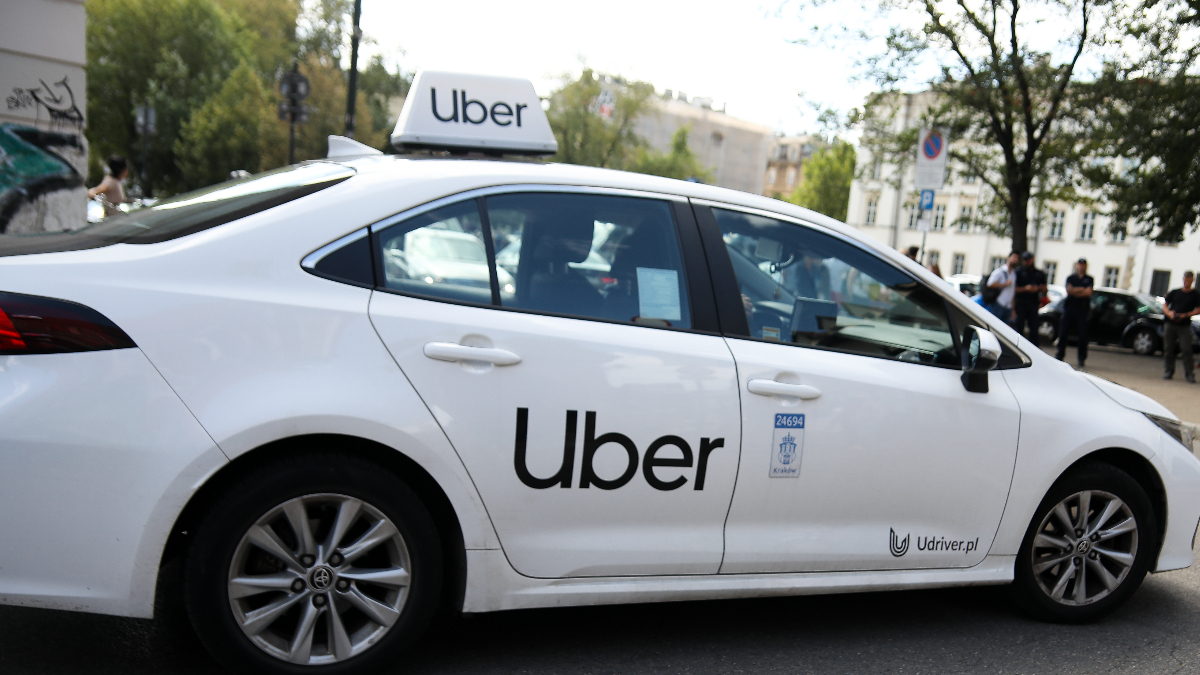
Uber has ended operations in Nigeria after 12 years, closing one of its longest-running businesses in Africa.
The exit comes amid rising fuel and vehicle maintenance costs, intense competition and longstanding tensions with drivers over fares and commissions.
Nigeria becomes Uber’s third African market exit in roughly a year, following its withdrawal from Côte d’Ivoire and Tanzania.
The departure could benefit rivals Bolt, inDrive and local operators, but leaves them confronting many of the same difficult market conditions.
Clarivox News - US ride-hailing company Uber is shutting down its operations in Nigeria after 12 years, ending its presence in one of Africa’s largest markets amid intensifying competition and mounting operating pressures.
The company informed customers on Wednesday that its Nigerian operations would end on September 2, 2026, following a review of the business.
“After a thorough review of our business, we have made the tough decision to wind down our operations in Nigeria, effective 2 September 2026,” Uber said in an email to customers.
The decision brings an end to a Nigerian operation that began in 2014, when Uber entered the country as one of the early international ride-hailing platforms and helped accelerate the shift towards app-based transportation.
Uber did not provide detailed financial reasons for the withdrawal. However, its exit comes as Nigeria’s ride-hailing industry grapples with high fuel prices, vehicle maintenance costs and pressure to keep fares affordable, alongside growing competition for drivers and passengers.
The company has also faced tensions with some drivers over fares and commissions. In March 2026, drivers staged a protest as disagreements over the economics of operating on ride-hailing platforms intensified.
Uber told drivers that it would make a one-off goodwill payment to help cushion the impact of its departure.
“We know this is heavy news, and we want to express our deepest gratitude to you for being a part of our journey in Nigeria,” the company said in its communication to drivers.
The withdrawal could strengthen the position of rival platforms Bolt and inDrive, while potentially creating more room for Nigerian operators including LagRide and Rida. However, the challenges that confronted Uber remain an industry-wide concern as platforms seek to balance competitive fares with drivers’ rising operating expenses.
The Nigerian exit also comes amid a broader restructuring at Uber. The company has announced more than 3,000 job cuts, equivalent to roughly 10 per cent of its global workforce, affecting its ride-sharing, delivery and robotaxi operations.
Chief Executive Dara Khosrowshahi said the restructuring reflected changes in Uber’s priorities and organisational structure rather than the performance of affected employees.
Nigeria is also the latest African market from which Uber has withdrawn.
The company exited Tanzania in January 2026 following years of regulatory disputes over fares, commissions and the regulation of ride-hailing services. It had previously ended operations in Côte d’Ivoire in September 2025 after six years in the country.
Nigeria therefore becomes Uber’s third African market exit in roughly a year, raising questions about the company’s strategy in parts of the continent where regulatory constraints and difficult operating economics have challenged ride-hailing businesses.
Uber also discontinued UberX, its lower-cost service, in South Africa on September 1, although it continues to operate other services in the country.
For Nigeria’s ride-hailing sector, Uber’s departure removes one of the companies that helped establish the market more than a decade ago. Its rivals now have an opportunity to capture displaced riders and drivers — but they will inherit the same cost, pricing and regulatory pressures that have made the business increasingly difficult.